Our treatments
Acupuncture
- Classical acupuncture
- Neuroacupuncture
- Tung acupuncture
- Scalp acupuncture
- Zonal acupuncture
- Electroacupuncture
- Moxibustion
- Seven-star (plum blossom) hammer
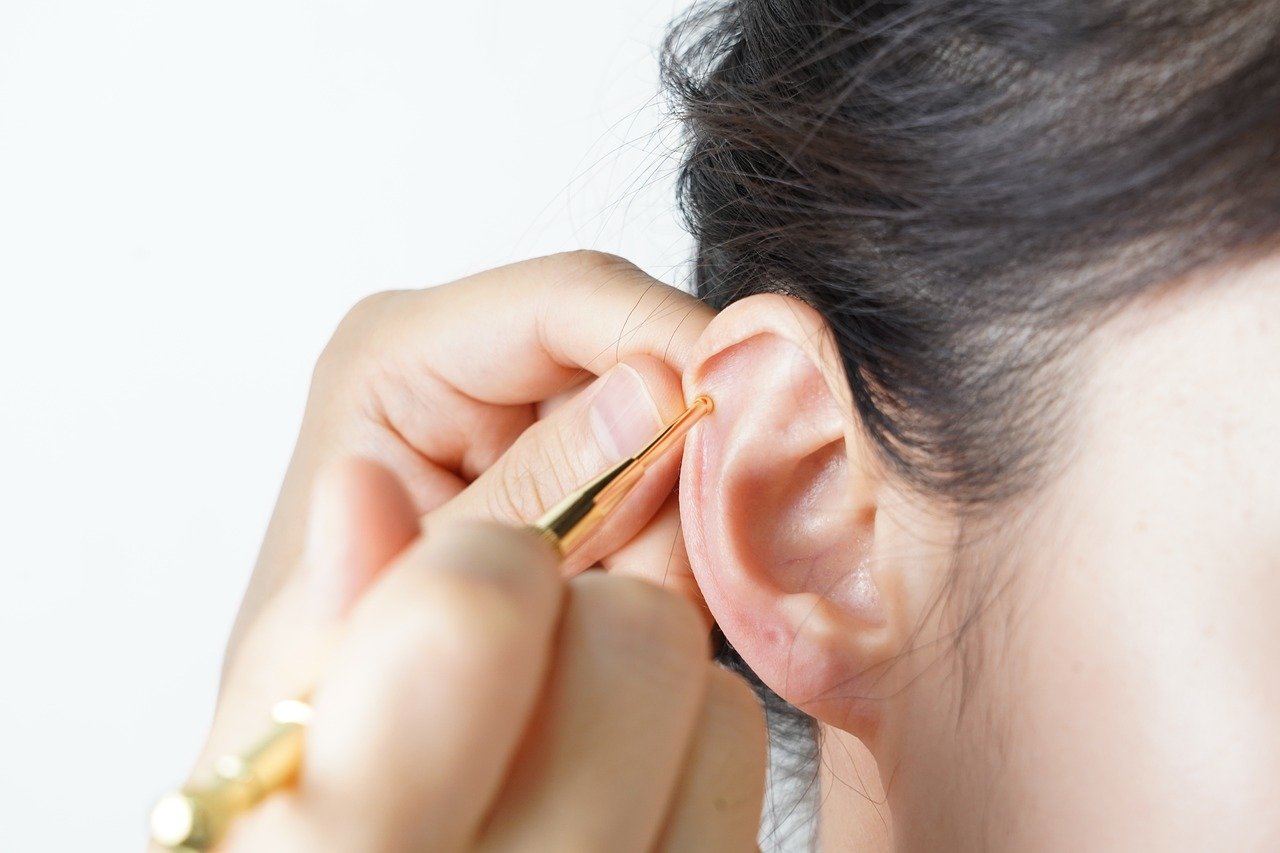
Auriculotherapy
- Ear acupuncture
- Acupressure with seeds
Physiotherapy techniques in detail
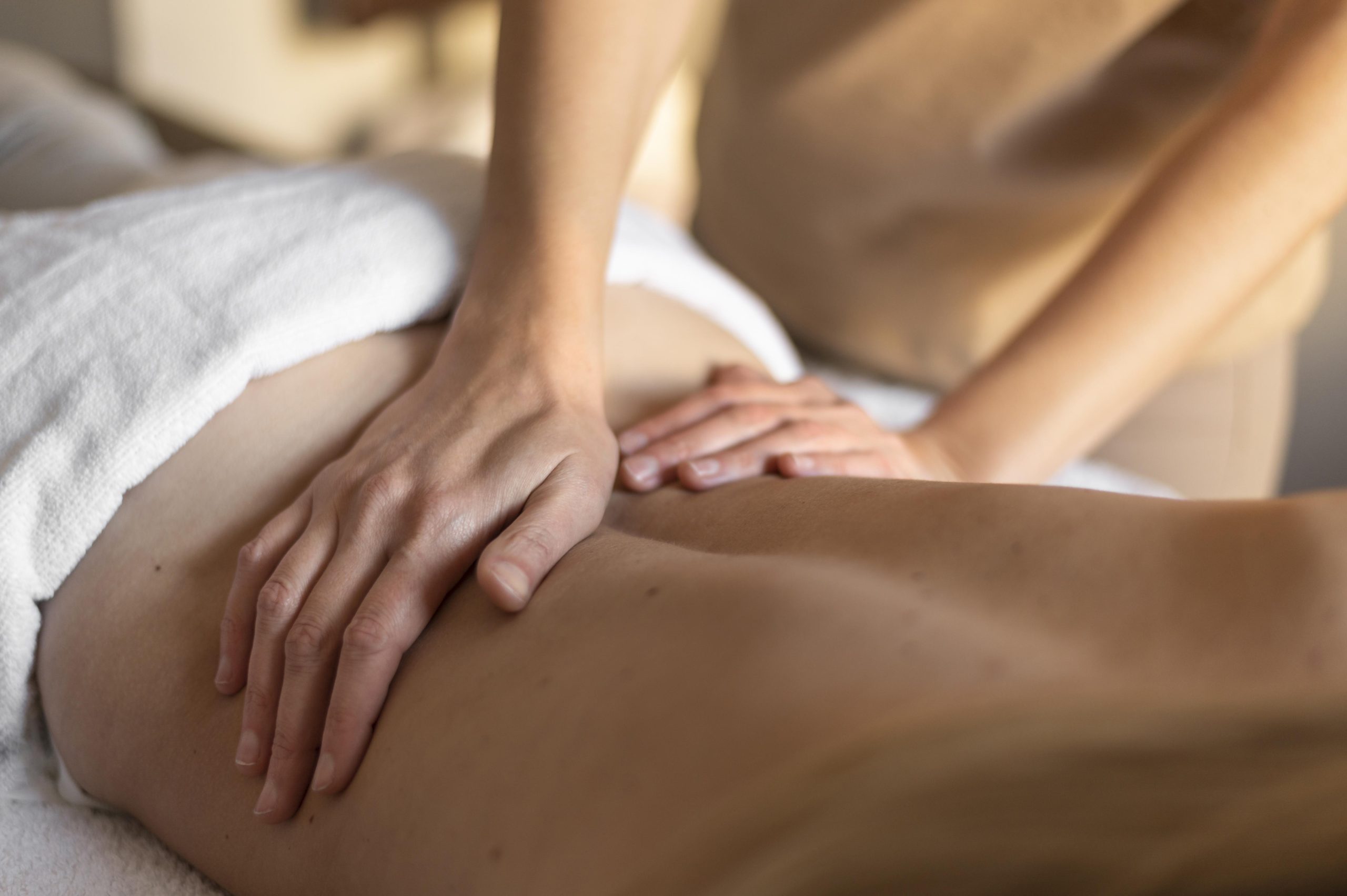
Massage therapy
The practice of massage therapy is a technique that can be defined as the combined use of different massage techniques for therapeutic purposes, i.e. to treat illnesses and injuries. It is part of the healthcare discipline of physiotherapy.
Massage therapy helps treat a wide range of injuries and conditions, including muscle contractures, muscle tears, tendinopathy, radiculopathy, lymphoedema, sprains, fractures, spasms, psychosomatic disorders, myofascial entrapments, complex regional pain syndrome, sports injuries, etc.
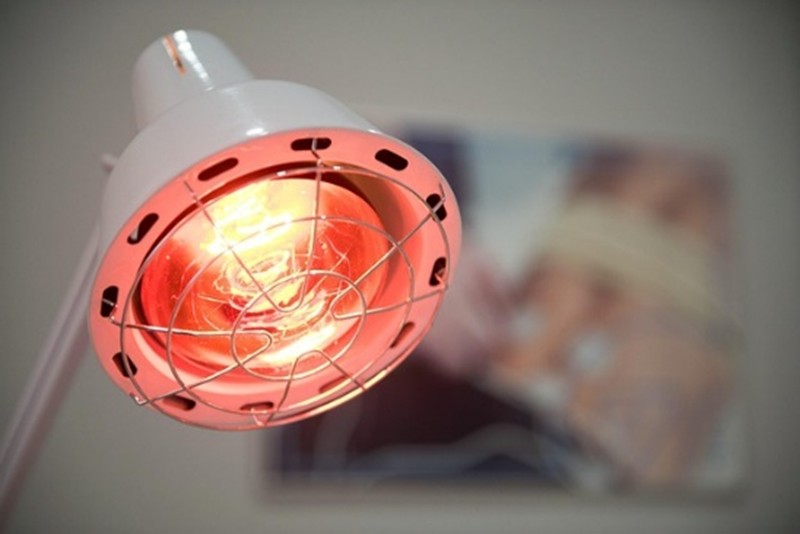
Thermotherapy
The practice of thermotherapy is the application of heat to the body for therapeutic purposes.
The therapeutic agent is heat, which spreads from the thermal agent to the organism, initially producing an increase in temperature, and as a consequence of this increase, therapeutic effects arise.
We are looking for a circulatory effect involving vasodilation of capillaries, increased blood flow, and activation of metabolism; a significant pain-relieving effect for certain types of pain and, primarily, a great muscle-relaxing effect ideal for preparation for kinesiotherapy techniques and, in particular, manual therapy.
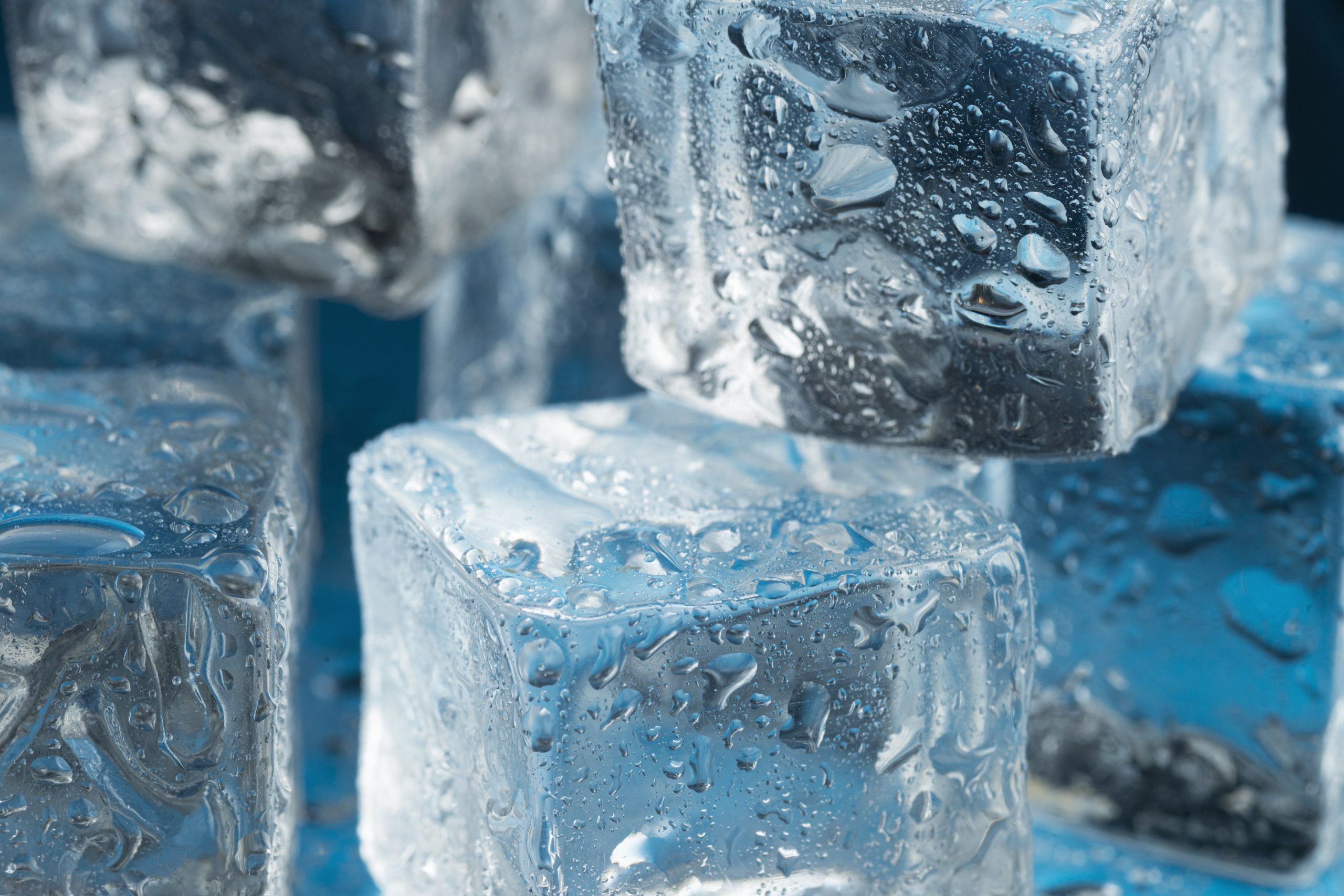
Cryotherapy
This is therapy using cold, a valuable ally in many of the conditions we treat every day. It is mainly applied with cold packs placed directly on the patient’s skin.
By applying cold, we aim to achieve a decrease in nerve conduction and primary vasoconstriction, followed by a reflex vasodilation that produces analgesic, anti-inflammatory, and muscle-relaxing effects.
It is mainly applied using cold packs or ice.
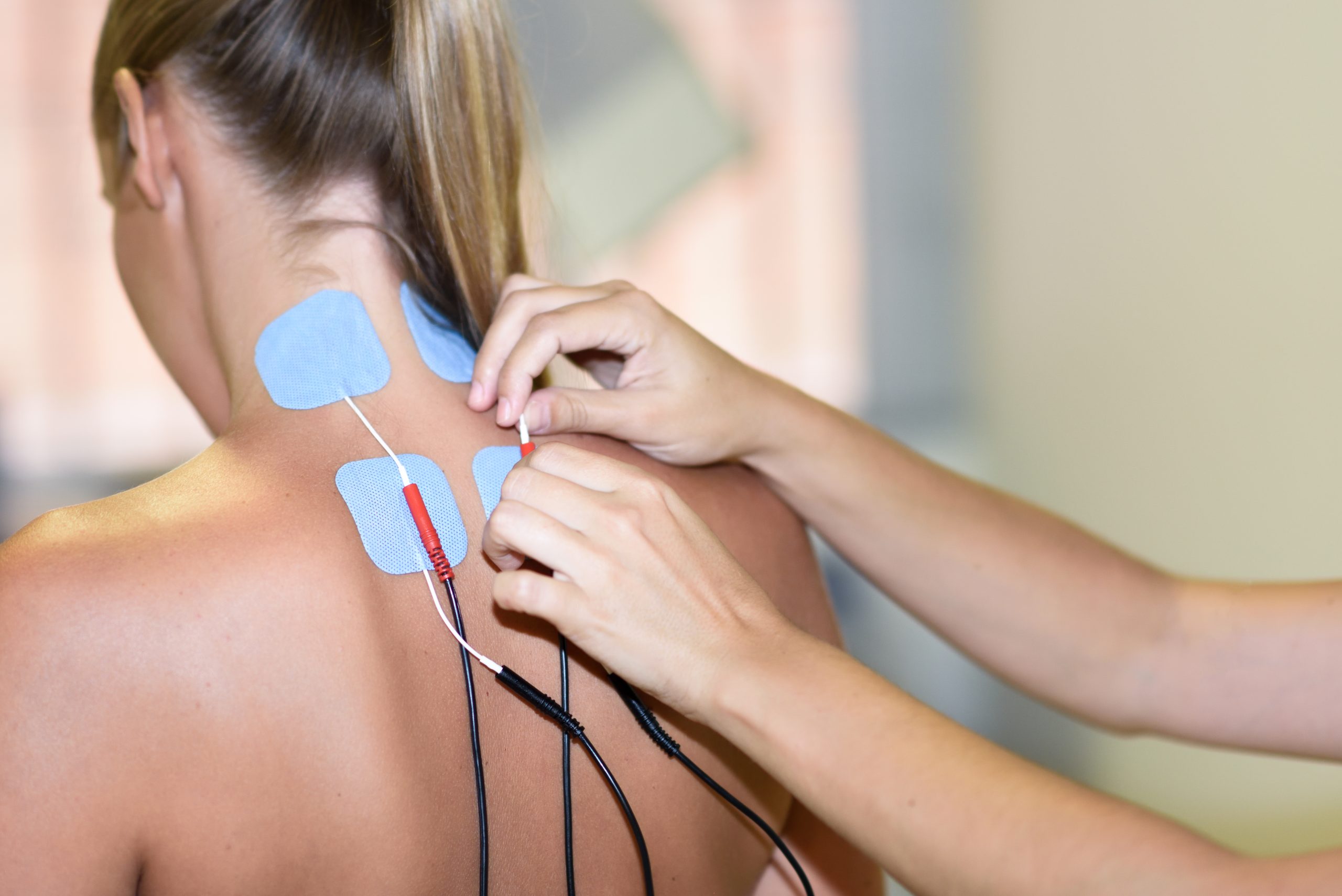
Electrotherapy: TENS and interferential currents
It covers the set of techniques that use electricity for healing or therapeutic purposes.
Depending on the type of current used, we generally aim for pain relief and muscle relaxation, and vasodilating, circulatory, thermal, trophic, anti-inflammatory, sclerolytic or excitomotor effects.
To be able to work on all aspects, our clinic has ultrasound equipment, current-type devices T.E.N.S. and interferential currents.
We use the term T.E.N.S. to refer to low-frequency electrotherapy devices that use transcutaneous electrical nerve stimulation to treat pain. It is one of the most effective non-invasive electrotherapy techniques for pain control.
Ultrasound
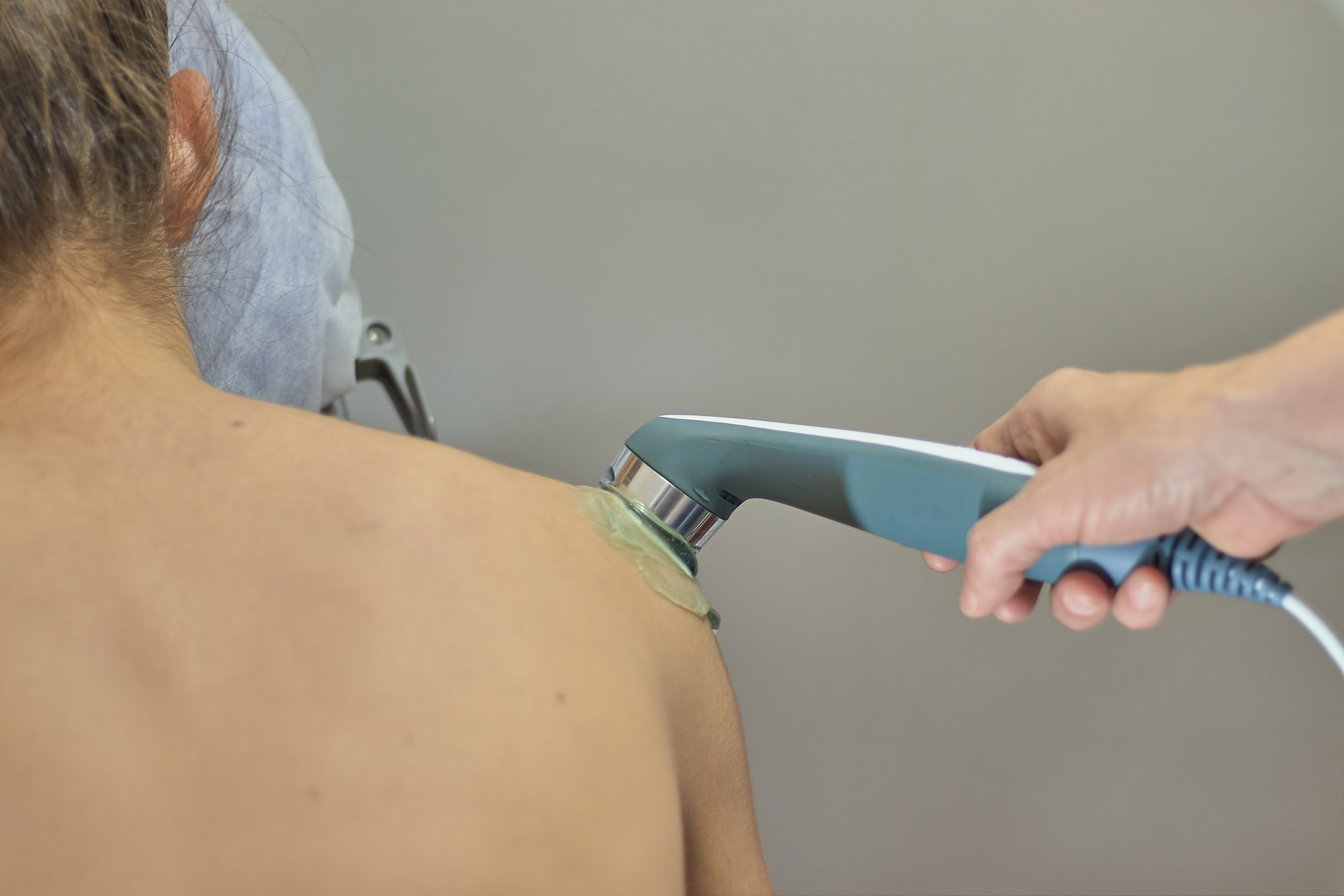
The therapeutic ultrasound is a treatment modality that uses high-frequency sound waves, usually between 1 and 3 MHz, to produce thermal and non-thermal effects in the tissues. These sound waves penetrate the skin and soft tissues, producing heat and vibration.
Soft tissue absorbs these sound waves very well, so it works very well to soothe inflammation of tendons and muscles.
Its main objective is to calm inflammation, reduce pain, and accelerate recovery.
Magnetotherapy
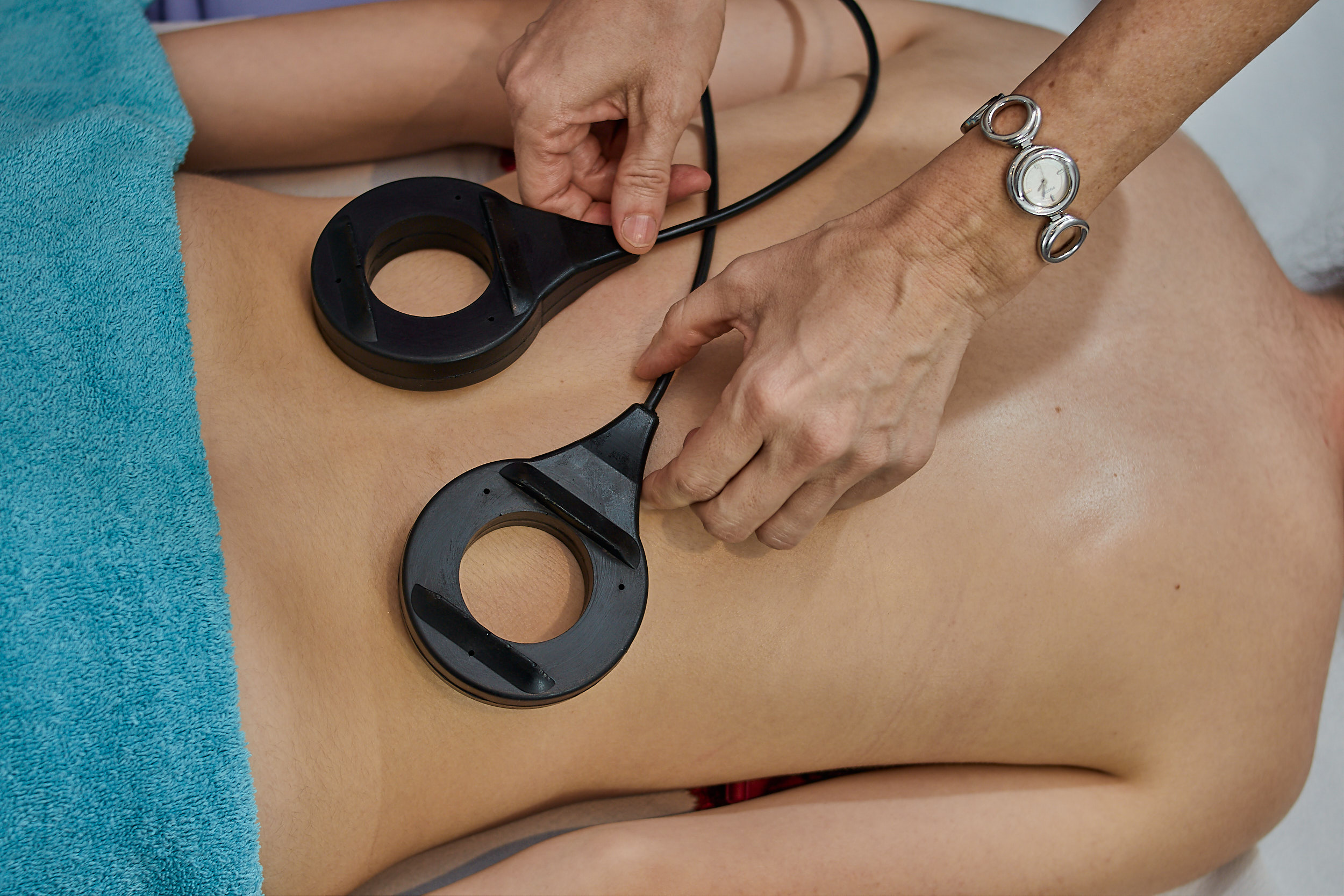
Magnetotherapy devices create an electromagnetic field between two applicators that produces several therapeutic effects. Among others, it increases cell metabolism and improves healing and bone formation, which makes it well suited to bone fractures. It also promotes vasodilation and has an anti-inflammatory effect.
Kinesiotherapy
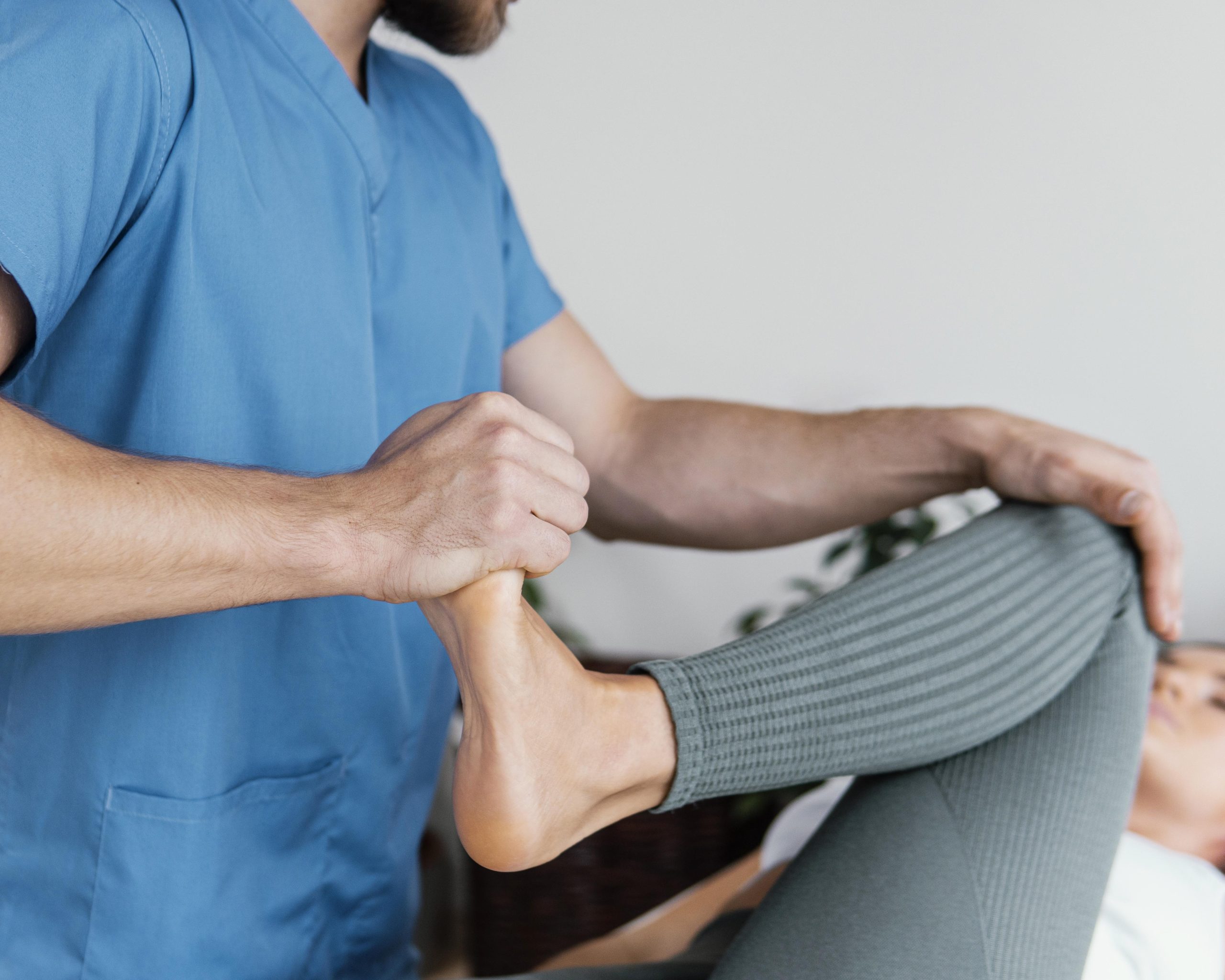
It is the set of therapeutic techniques or procedures whose purpose is the treatment of diseases through the use of movement in its various expressions.
The main physical agent of the therapy is movement, and the main effect is mechanical in nature.
Depending on how the movement is performed, we will differentiate:
- Active Kinesiotherapy, in which movements are produced by the patient’s own active, voluntary muscle contraction.
- Passive Kinesiotherapy, in which movements are produced by “external causes”, either by the physiotherapist or with the help of specific devices, without any voluntary muscle contraction by the patient.
Diathermy
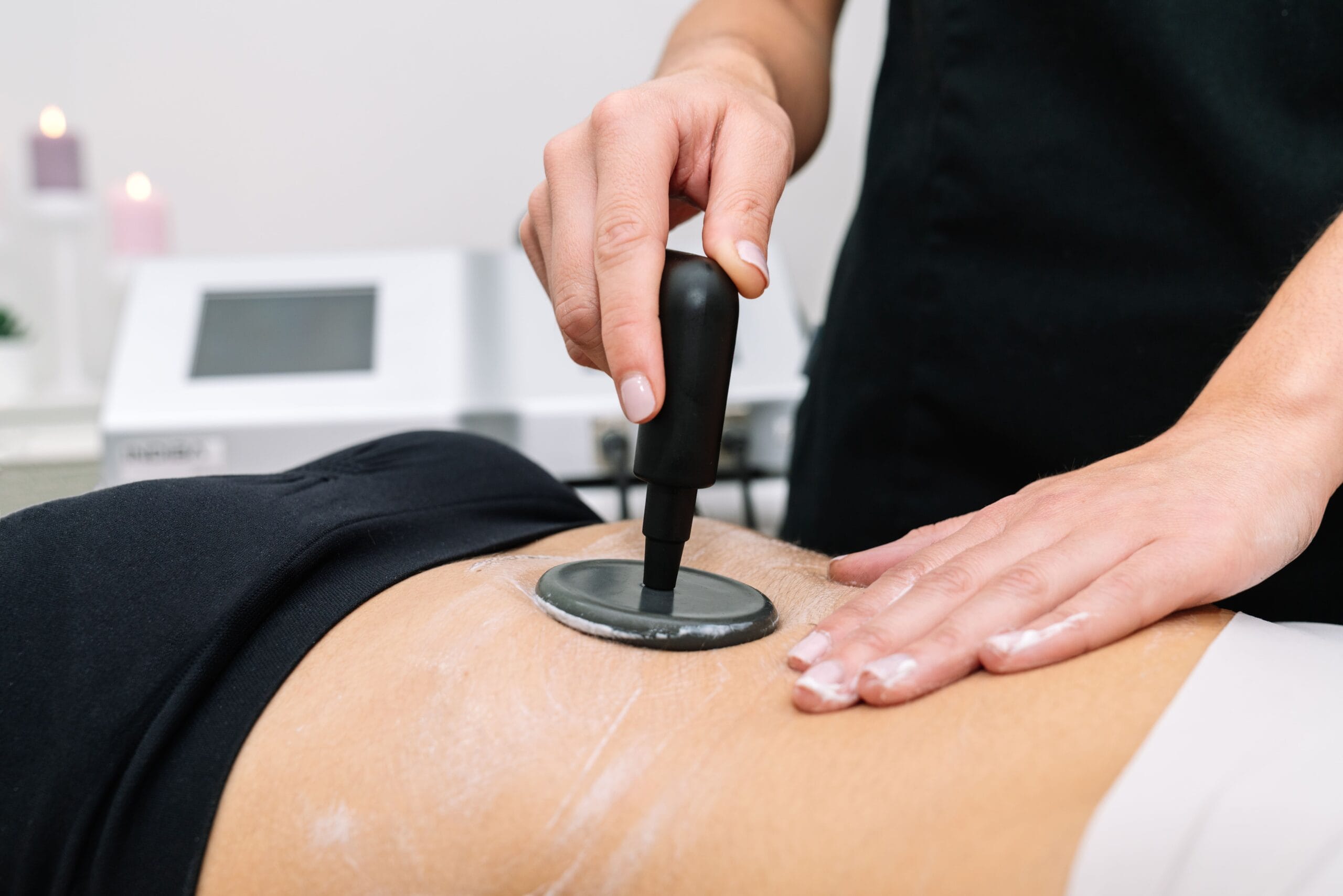
The practice of diathermy uses high-frequency currents to create an electromagnetic field that generates deep, highly localised heat.
Among its wide range of effects, the most notable are its powerful regenerative effect, improved metabolism and circulation, significant pain reduction, and muscle relaxation.
It is a very pleasant therapy with a very long-lasting effect.
Neurodiathermy (Medkey)
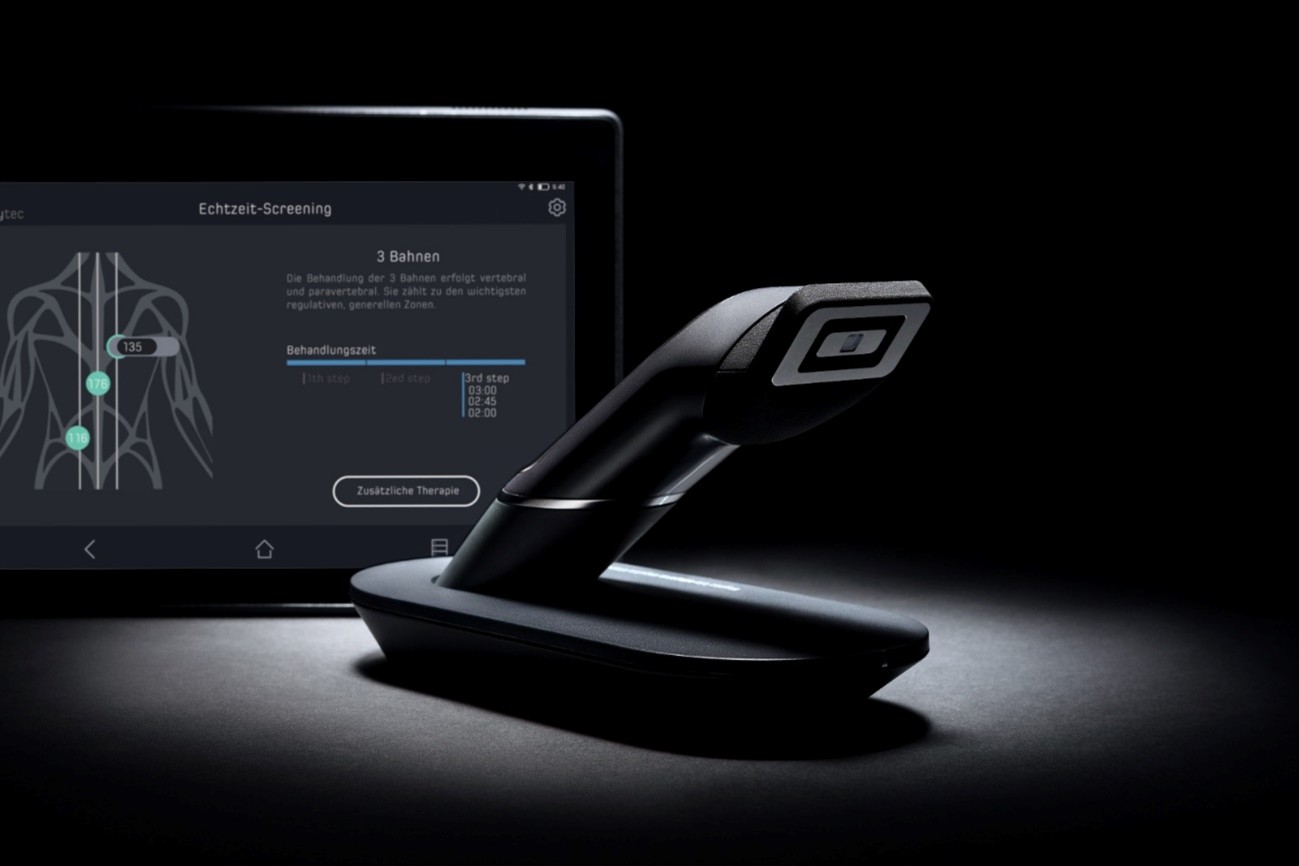
This is a new technique that combines non-invasive neuromodulation and diathermy. In addition to the diathermy machine, it uses a neuromodulation device called Medkey.
Diathermy is a therapeutic technique that uses high-frequency electrical currents, creating an electromagnetic field that generates deep heat within the body.
Medkey is a state-of-the-art neurostimulation device that is highly effective for treating both chronic and acute pain. Using a bio-adaptive impulse, it measures the body’s signals and adapts them to achieve bioregulation. By balancing the autonomic nervous system it helps strengthen the body’s defences, provides fast pain relief and improves function, among other benefits.
Therapeutic laser
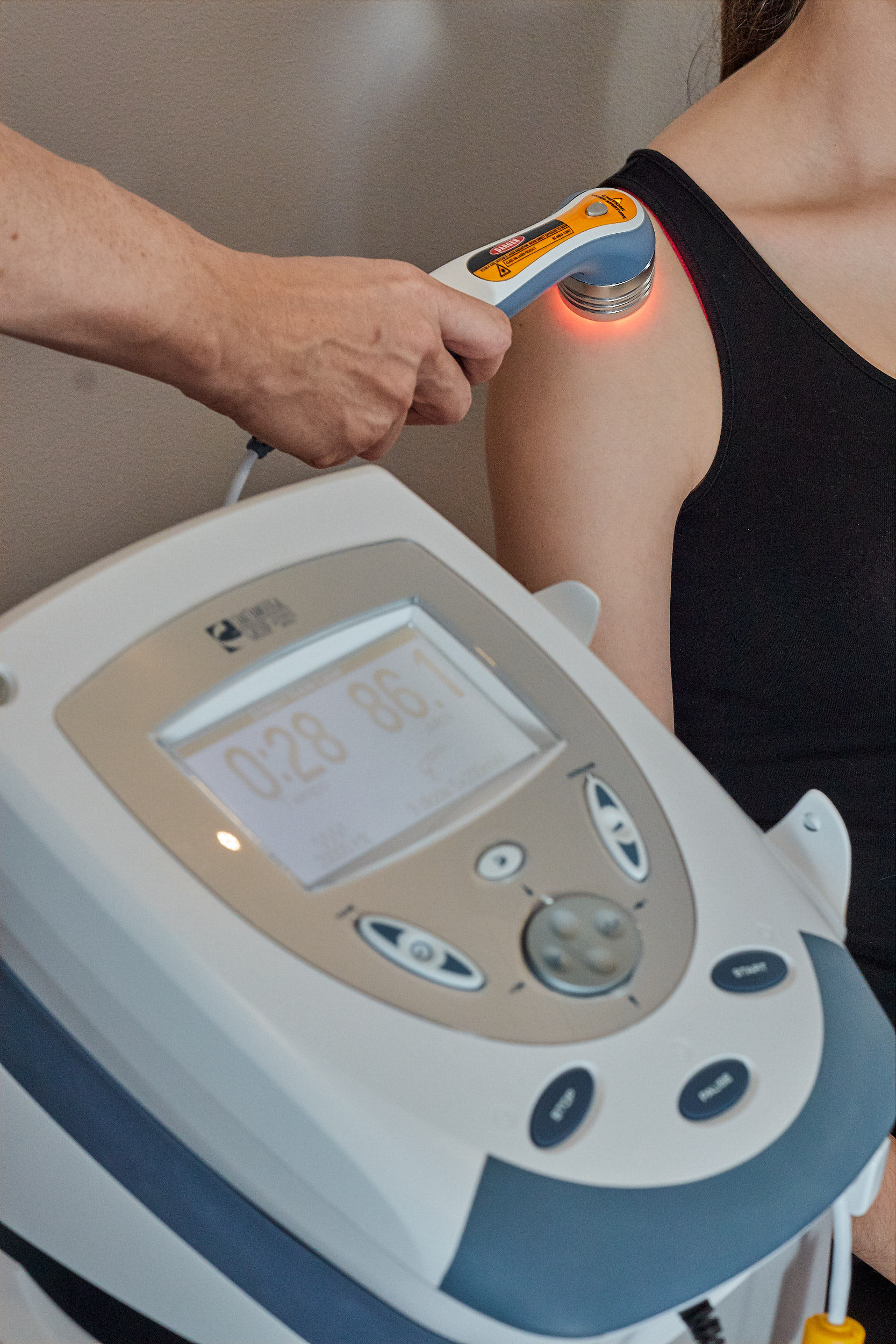
Therapeutic laser therapy is a physiotherapy treatment modality that uses low-intensity laser light. Its main function is to stimulate biological processes in the body to relieve pain, reduce inflammation, improve circulation, and promote cell regeneration.
.

Dry needling
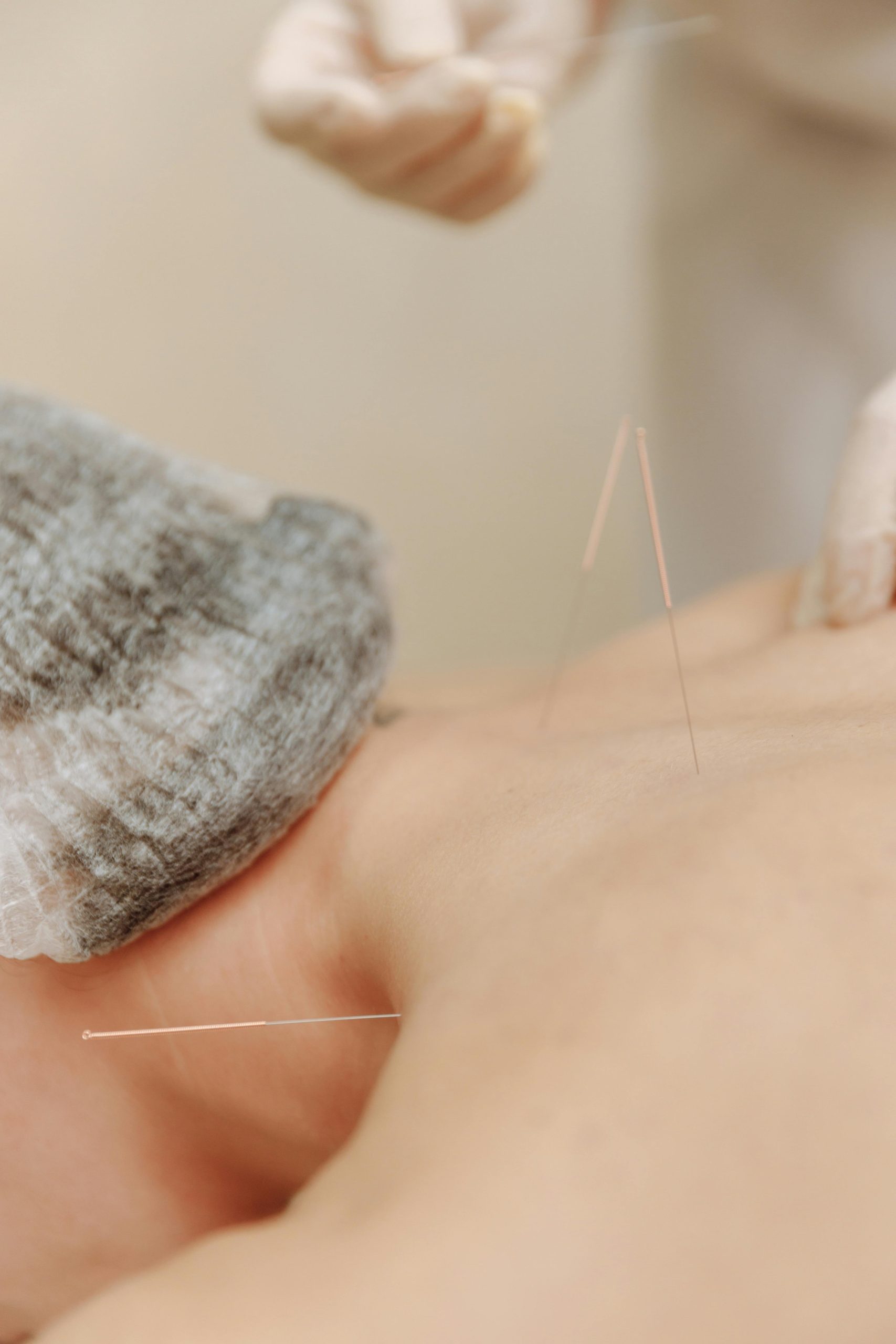
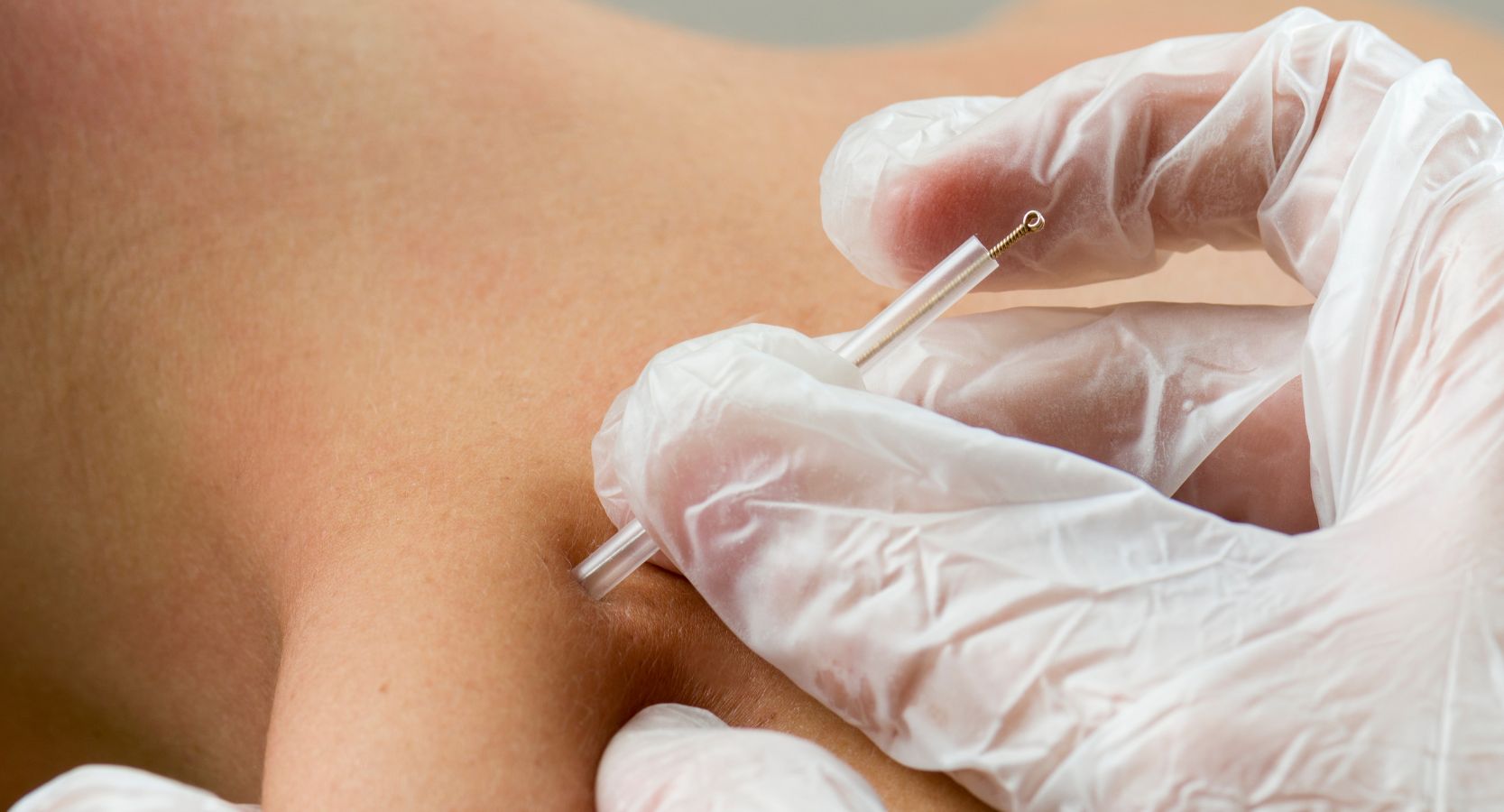
Dry needling is an invasive physiotherapy technique that uses an acupuncture needle to treat trigger points in the muscles. A trigger point is a spot in the muscle that, when pressed, causes pain referred to another area. Repeated needling of that point causes a series of local twitches that in turn produce deep muscle relaxation.
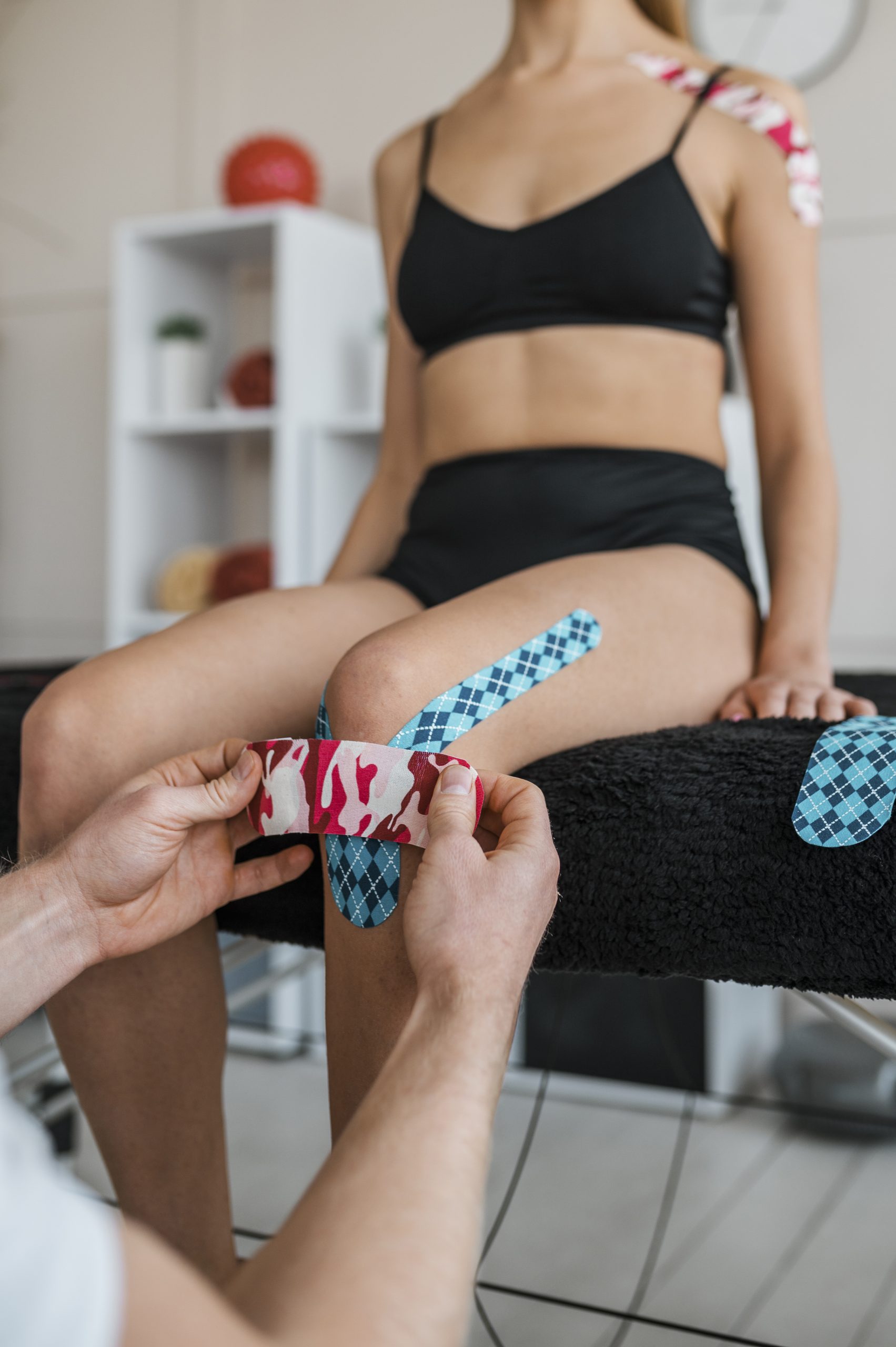
Kinesio taping (neuromuscular taping)
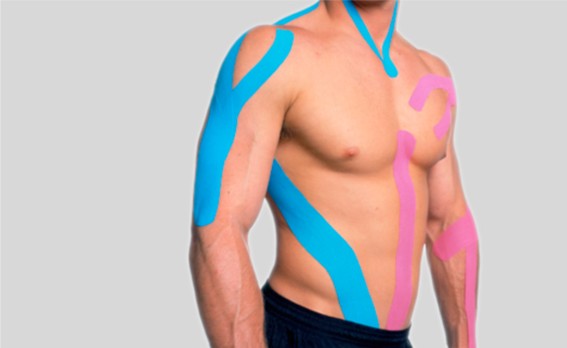
For some years now, top athletes have been seen at competitions wearing “coloured tape” on their bodies: this is called kinesio taping or neuromuscular taping. More and more people use it today because of its many advantages.
This taping method was developed in Asia, mainly in Korea and Japan, based on the idea that the body needs to keep moving in order to maintain or regain health.
Other types of taping immobilise the joint and limit its range of motion, slowing down the body’s natural recovery process.
The tape is water-resistant, so you can shower without worrying about it getting wet, and the adhesive is hypoallergenic, so it can also be used on sensitive skin.
Kinesio taping has many functions, such as:
- Pain-relieving and relaxing effect on muscle contractures, tendinitis…
- Helps clear circulatory stasis and aids lymphatic drainage in inflammatory processes.
- Improves joint performance in cases of sprains, joint locking…
Functional taping
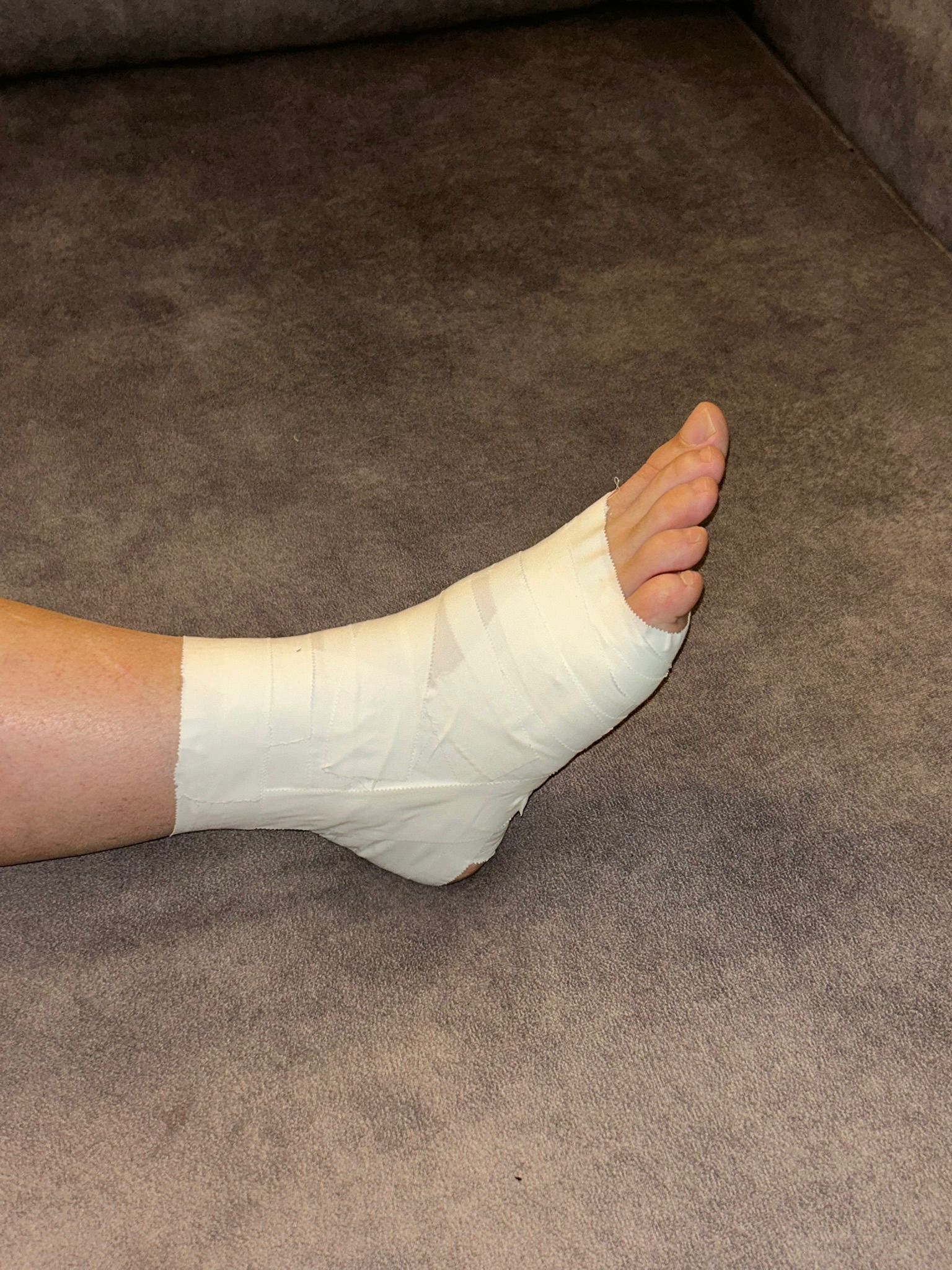
This is a taping technique that immobilises the joint to stabilise it, providing the relative rest needed for damaged ligaments to recover and preventing the injury from getting worse.
The most common example is the bandage used after an ankle sprain. With this type of bandage, it's possible to continue with normal activities without the risk of causing further damage. Being able to walk keeps circulation active, which helps speed up recovery.
Acupuncture and auriculotherapy
Acupuncture
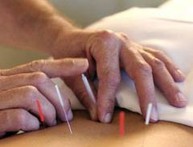
The practice of acupuncture originated in China more than 3,000 years ago; some documents date it between 2696 and 2598 BC. This ancient discipline, refined over thousands of years, is part of traditional Chinese medicine and is based on inserting and manipulating fine needles at specific points on the body to improve the flow and balance of energy along the meridians that run through the body. Its aim is to restore the patient’s health and well-being.
There are hundreds of acupuncture points along the 14 meridians, the pathways that carry the body’s energy. Sixteenth-century Chinese physicians used the term “Qi” to describe the energy that flows through the meridians.
Acupuncture stimulates the body’s ability to resist and overcome illness by correcting imbalances, and it also helps the body produce chemicals that reduce or eliminate pain.
Auriculotherapy
The practice of auriculotherapy is a therapeutic method based on the correspondence between specific points on the ear and the rest of the body.
This therapy originated in China and is based on the theory that when an ailment or illness occurs anywhere in the body, reactive effects can appear in the ear.
When we stimulate these areas with needles, a beneficial effect is produced in the affected area.
Seeds can also be placed to apply pressure on the relevant points and maintain the effect for longer. It is indicated for the same conditions as acupuncture, but is especially effective for anxiety, allergies and addictions.